CDAI Lab, EPA Advance Development of Ghana’s National Air Quality Data Hub, Engage Stakeholders Ahead of Launch

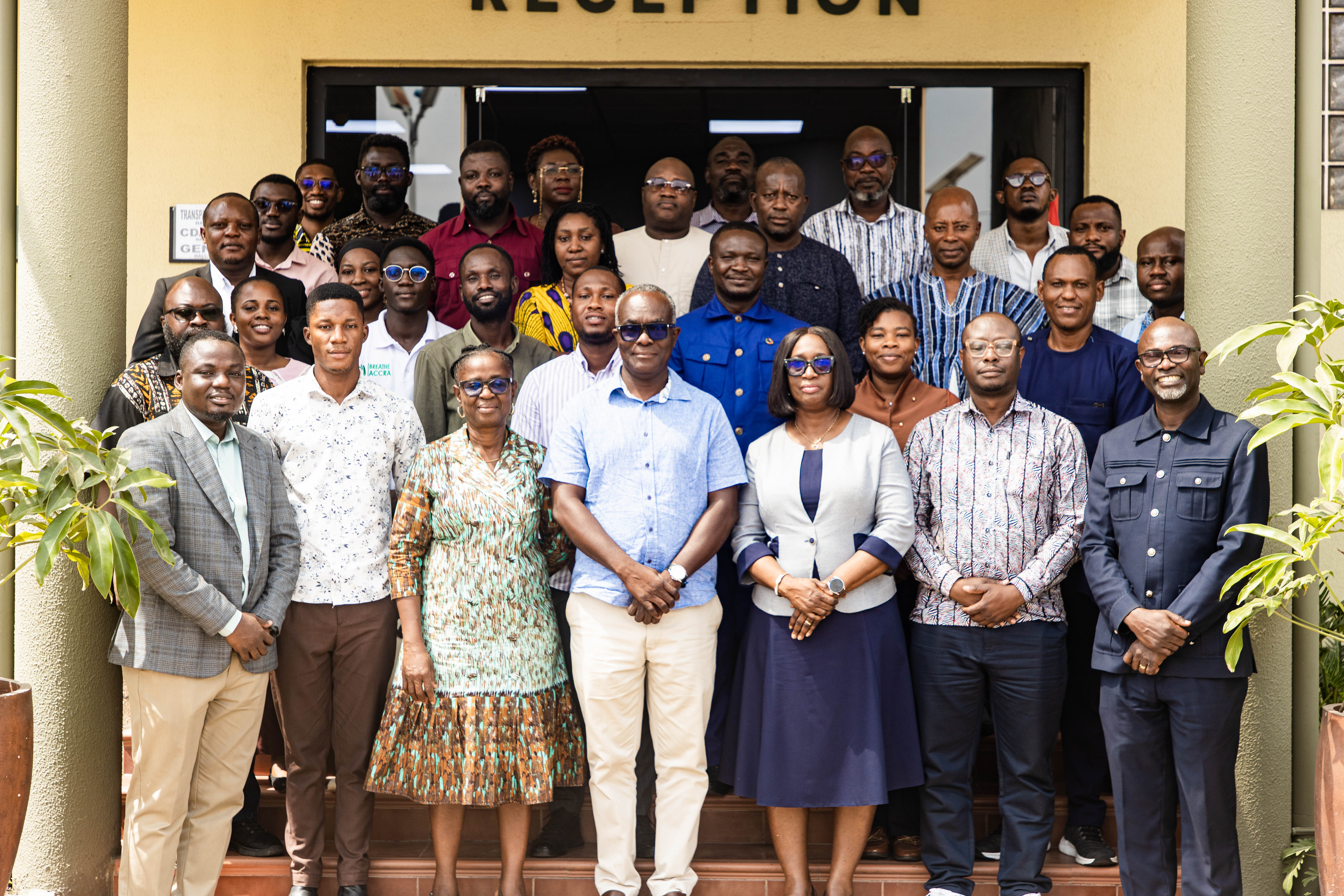
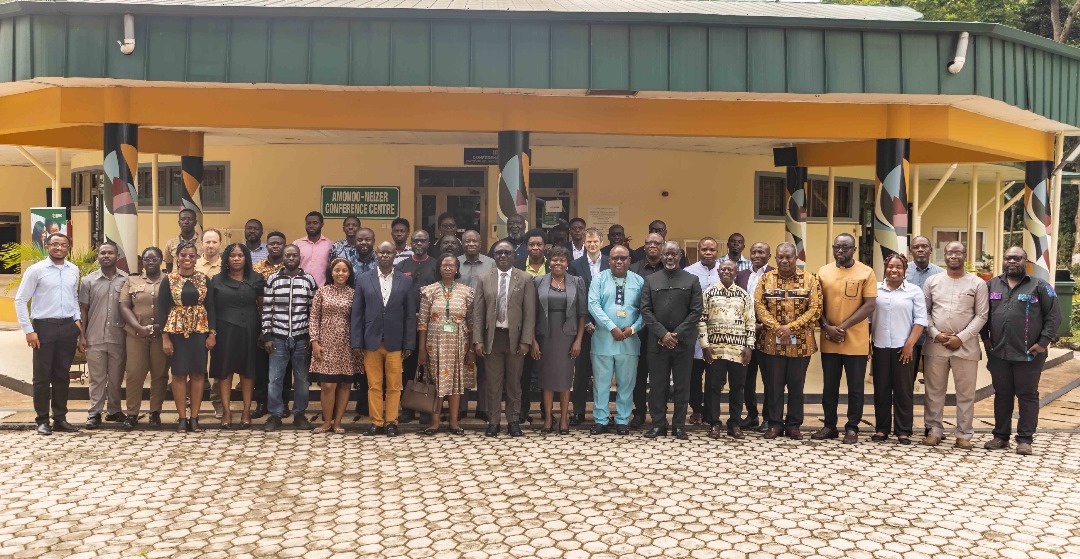
The Climate Diagnostics, Air Quality and AI (CDAI) Lab at the College of Science, KNUST, in collaboration with the Environmental Protection Authority (EPA), has engaged stakeholders (primarily Data Providers) on the development and advancement of Ghana’s National Air Quality Data Hub, seeking their input to refine the platform and ensure it meets the needs of institutions expected to contribute to and use the system.
The engagement brought together key institutions involved in air quality monitoring and management to explore and review the progress made on the Hub, examine how it will support their work and identify what needs to be addressed to make it useful to its intended users.
Project Lead, Dr. Jeffrey Nii Armah Aryee highlighted the fragmented nature of air quality data in Ghana, noting that information generated by different institutions and monitoring initiatives often remain inaccessible beyond individual projects.
He noted that the National Air Quality Data Hub is being developed to address this challenge by providing a central platform for harmonizing air quality data from different monitoring networks.
It is expected to support data management, visualisation and analysis, while improving access to information for research, policy development and public awareness.
Deputy Chief Executive Officer for Technical Services at EPA, Ing. Esi Nana Nerquaye-Tetteh underscored the importance of a coordinated national system, particularly as more institutions become involved in generating air quality data.
“However, the growing number of monitoring initiatives and institutions involved in air quality data generation highlights the need for a coordinated national platform to consolidate, manage and facilitate the effective sharing and utilization of air quality data,” she said.
She noted that the initiative aligns with the EPA’s mandate under the Environmental Protection Act, 2025 (Act 1124), and the Environmental Protection (Air Quality Management) Regulations, 2025 (L.I. 2507), which provide for collaboration in developing a national air quality management information system.
During the technical session, system developer Mr. Tonon Abdul-Shafiu Mahmud guided participants through the platform, demonstrating its navigation, monitoring station information, pollutant levels, air quality index, data visualization and reporting features.
The demonstration also covered how institutions can contribute data through file uploads, application programming interfaces (APIs) and other submission channels, as well as how users can access information and request datasets.
Participants subsequently examined the platform and commended the progress made by the team. The discussions also highlighted the need to address technical and institutional concerns before the Hub becomes fully operational.
The engagement also highlighted the need to make air quality information accessible and understandable to the public. Discussions centered on how the Hub’s information could be communicated beyond online platforms through community-based channels such as schools, religious institutions, traditional leaders and local media, ensuring that people can understand the information and use it to make informed decisions.
The Hub is expected to be launched by the end of 2026 or early 2027, with the EPA subsequently taking the lead in operationalizing the platform to support evidence-based air quality policymaking and decision-making in Ghana.