KNUST Research Team Engages GMet on Operational Application of Locally Developed Cloud Monitoring Technology
A research team from the College of Science, Kwame Nkrumah University of Science and Technology (KNUST), has engaged the Ghana Meteorological Agency (GMet) to explore the potential operational application of a locally developed computer vision technology for cloud observation and visibility monitoring.
The engagement forms part of ongoing efforts to advance the Cloud Observation and Monitoring Equipment (COME) Project and strengthen collaboration between the researchers and Ghana’s national meteorological service.
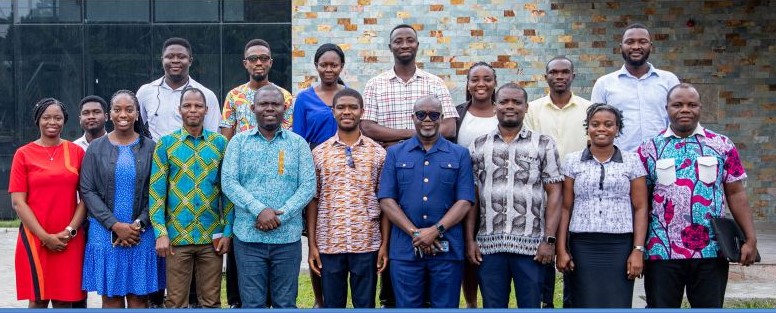
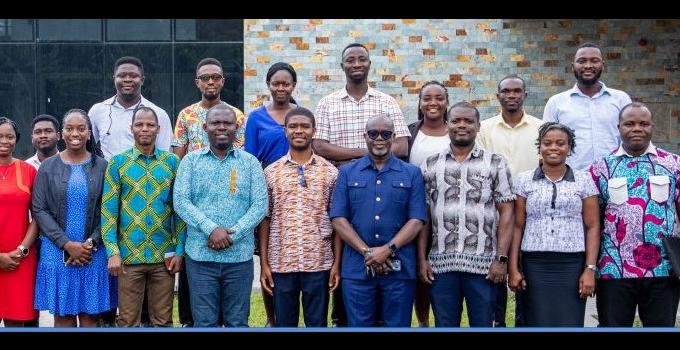
Supported by the KNUST Research Fund (KReF), the COME Project is jointly led by Dr. Prince Junior Asilevi and Prof. Emmanuel Quansah of the Department of Meteorology and Climate Science, KNUST, and Dr. Oliver Kornyo of the Department of Computer Science, KNUST. The research team also includes postgraduate students Ms. Sandra Adjetey and Mr. Richmond Owusu Agyei from the two departments.
The COME Project seeks to develop a ground-based system capable of continuously observing and classifying clouds using Internet of Things (IoT) technology and machine-learning algorithms. The system is designed to capture and analyse sky conditions in real time, providing an automated and locally relevant approach to atmospheric observation.
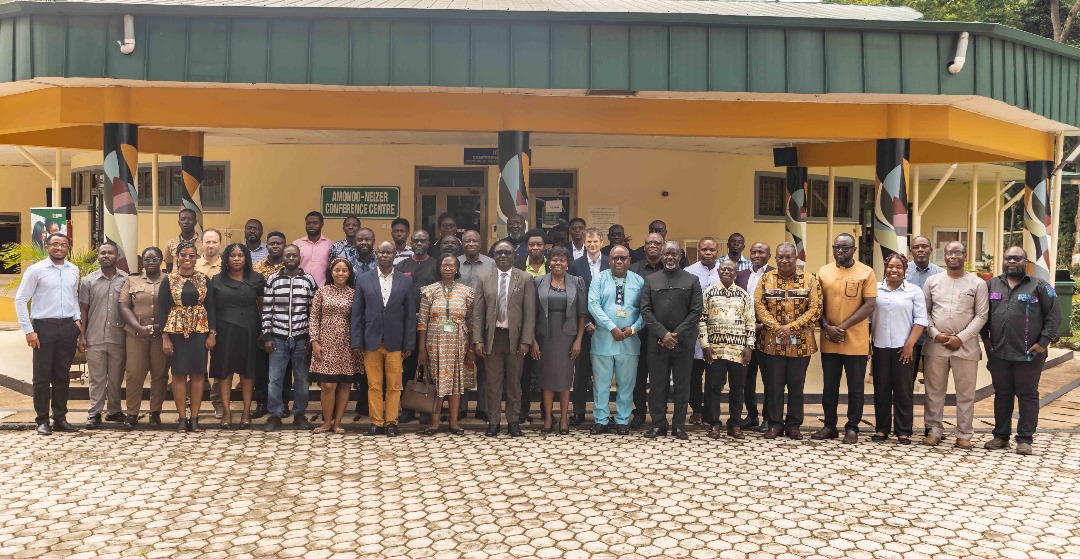
During the engagement with GMet, discussions focused on the requirements for transitioning the technology from the research and development stage towards operational testing.
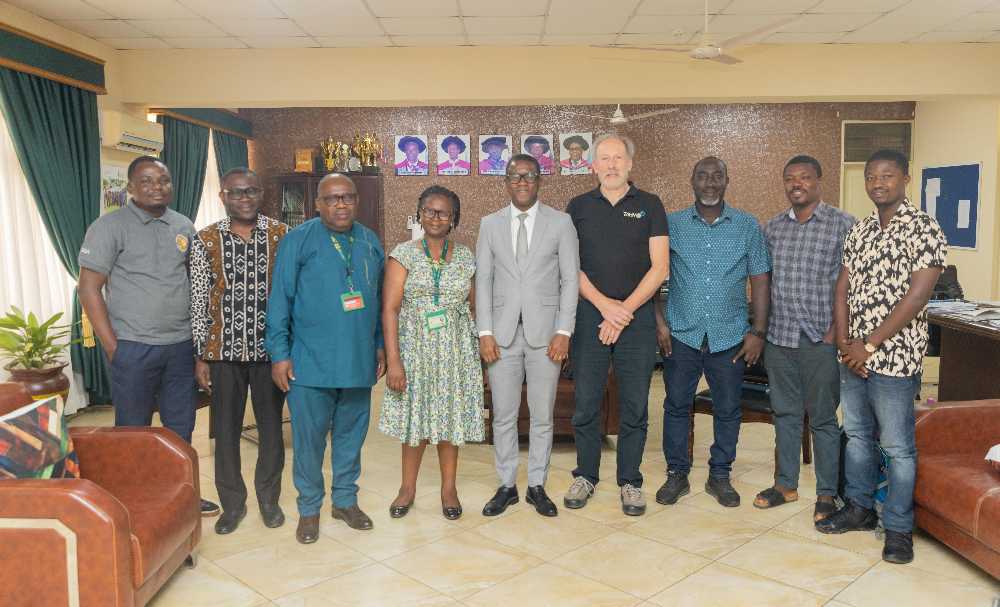
The Director-General of GMet, Dr. Eric Asuman, together with members of the Agency’s technical team, reviewed the prototype and provided valuable feedback on its potential application. The discussions also considered possible approaches for conducting field validation of the technology under real-world environmental conditions.
A key aspect of the engagement was the need to compare observations generated by the COME system with measurements obtained from established meteorological instruments. Such comparative assessments will enable the researchers to evaluate the system’s accuracy, reliability and performance across different environmental conditions before considering wider deployment.
The discussions further explored opportunities for GMet to support field testing by providing access to suitable observation sites and technical expertise to guide the operational validation and refinement of the system.
According to Dr. Asilevi, collaboration with GMet is critical to ensuring that the technology addresses the practical needs of Ghana’s meteorological services.
“The COME project brings together meteorology, computer science, electronics and machine learning to develop a locally relevant observation system. Engagement with GMet is essential for testing the technology under operational conditions and guiding its further improvement,” he stated.